

Free Services Provided Through Pediatric Dental Plans Include Which Of The Following?
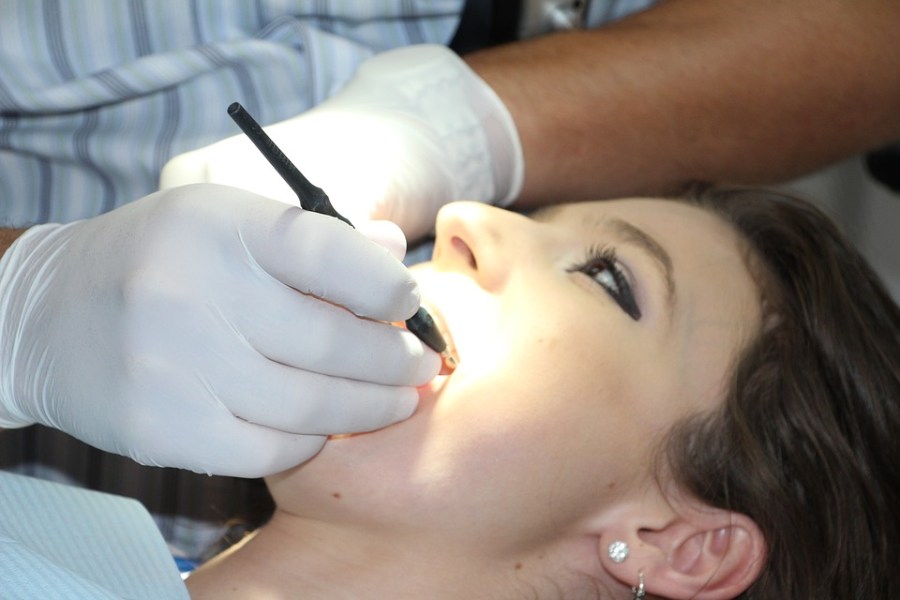
With cleanings twice a twelvemonth, X-rays and other routine care, dental costs can add together upward in a year — and that'south before adding the cost of possible emergency care. Dental insurance is a expert way to bring your out-of-pocket costs down then you can access the care you demand without breaking the bank. Check out the main types of dental insurance plans to see which type of coverage fits your needs.
Dental Health Maintenance Organizations (DHMO)
DHMO or dental insurance DMO plans prepay contracted dentists a certain amount for each DHMO patient. The dentists then provide specific services for a set fee or no fee, depending on the programme and service. Premiums are typically lower on an HMO dental plan than a PPO plan, but patients are limited in their choice of dentist. If they choose to see a dentist not contracted through the programme, then they are typically responsible for the entire pecker. One dentist or practice provides all the patient's dental intendance. If a specialist is necessary, the patient must offset become a referral from the dentist and authorization from the insurance company.
Dental Preferred Provider Organizations (PPO)
With a dental PPO plan, the insurance company contracts a big network of dentists to provide services at set up fees. This allows patients to take advantage of lower prices for services. PPO plans typically accept a larger network than DHMO plans, making it easy to maximize savings. Patients are free to visit any dentist they cull, only visiting an out-of-network dentist could result in paying higher fees for services.
Indemnity Plans
Indemnity plays are also known as traditional dental plans or fee-for-service plans. These plans usually offer the largest network and the most choices of dentists. With this type of plan, the insurance company pays a percentage of the services performed, and the patient is responsible for the rest. The percentage varies, depending on the insurance plan and the services performed. These plans are oftentimes the most expensive, but they offer the greatest flexibility and the near coverage.
Direct Reimbursement Plans
Direct Reimbursement plans aren't actually dental insurance, but they provide a mode for people to get money back on their dental care expenses. Patients can cull whatsoever dentist and are responsible for paying the dentist directly. They submit receipts to the program administrator and receive reimbursement for all or a portion of the services. This is a self-funded program, and patients are responsible for all the upfront costs in most cases.
Discount Plans
Disbelieve dental plans are also not dental insurance. Instead, the company selling the plans contracts a network of dentists who concord to disbelieve their fees. Patients pay a ready amount to access the discount programme and are responsible for paying for treatment at the discounted rates. There are no dental insurance forms to file or paperwork consummate. Patients merely pay to gain admission to lower cost dental care. In some cases, those who don't accept dental insurance can work out like types of payment plans with their preferred dentists without paying for an actual disbelieve programme.

Source: https://www.symptomfind.com/health/dental-insurance-plans-at-a-glance?utm_content=params%3Ao%3D740013%26ad%3DdirN%26qo%3DserpIndex
Posted by: joestagazen.blogspot.com
0 Response to "Free Services Provided Through Pediatric Dental Plans Include Which Of The Following?"
Post a Comment